

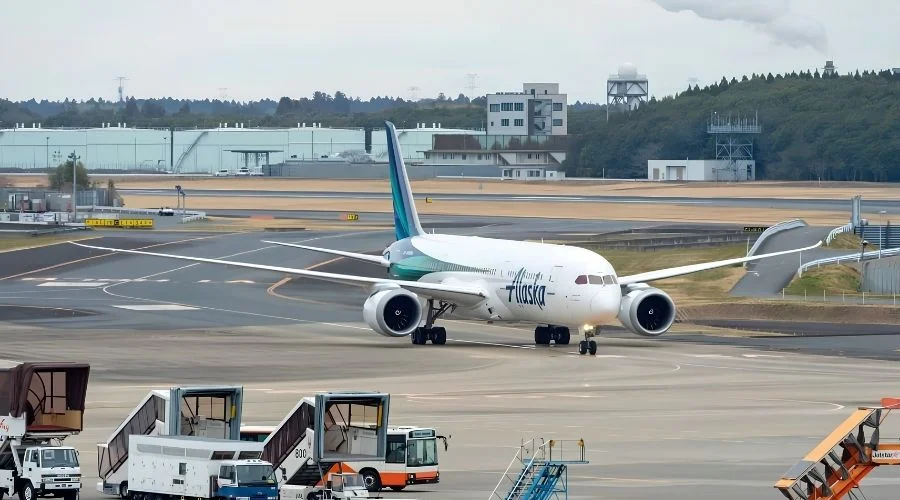
On 19 July 2026, Alaska Airlines’ Boeing 787-9 Dreamliner took off from Rome, but never reached its destination. Instead the aircraft re-routed and returned back from where it was started – Back to Rome after flying for 5.5 hours in the international airscape upon declaring an emergency.
Alaska Airlines introduced a new long-route flight – AS181, for non-stop journeys between Rome and Seattle. Soon after takeoff, the flight made an emergency call and reversed course to return back to Rome shortly after departure.
Why did Alaska Airlines’ AS181 Take the Reverse Course?
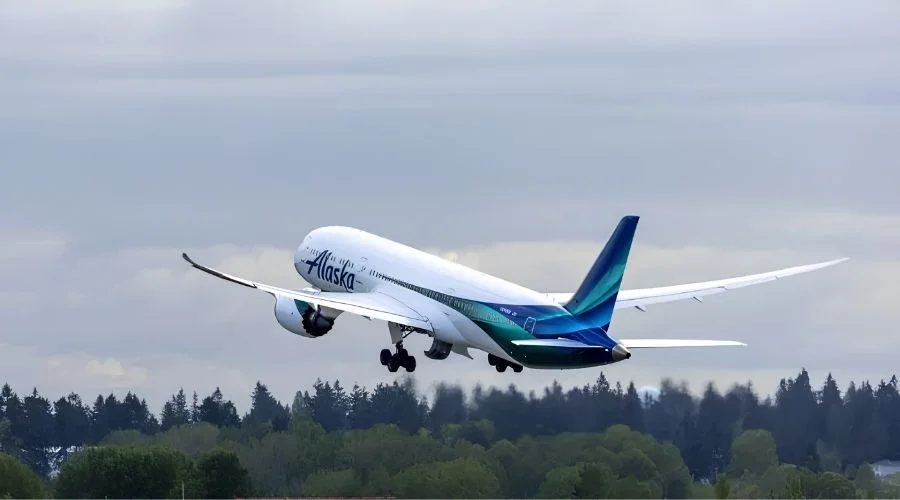
At 15:45 CEST, the newly launched long-route flight from Rome to Seattle took off. AS181 was the first non-stop flight that was scheduled for passengers travelling from Rome to Seattle. According to the sources, the flight was flying in the French airspace at an altitude of 34,000 feet and expected to follow the planned route – the 787 aircraft was expected to fly over the United Kingdom.
However, the flight encountered an issue shortly after departure. While the aircraft was over southeastern England, when the crew detected abnormal vibrations that were reported as possible engine vibrations, prompting the pilots to reverse course. The flight tracking data showed the 787 aircraft then executed a sharp U-turn to return to Rome.
While the descent was underway, the crew also broadcast a general emergency, setting the aircraft’s transponder to squawk ‘7700’ – the universal code that tells air traffic controllers “we have a real problem here, please clear the way.”
The flight tracking data suggested the aircraft may have entered holding patterns to reduce its landing weight before returning to Rome. However, it has not been officially confirmed whether the aircraft dumped fuel or simply burned the fuel before landing. Boeing 787 was loaded with fuel for transatlantic flight which made the jet too heavy to land safely.
Alaska Airlines Scheduled Another Flight For Passengers to US
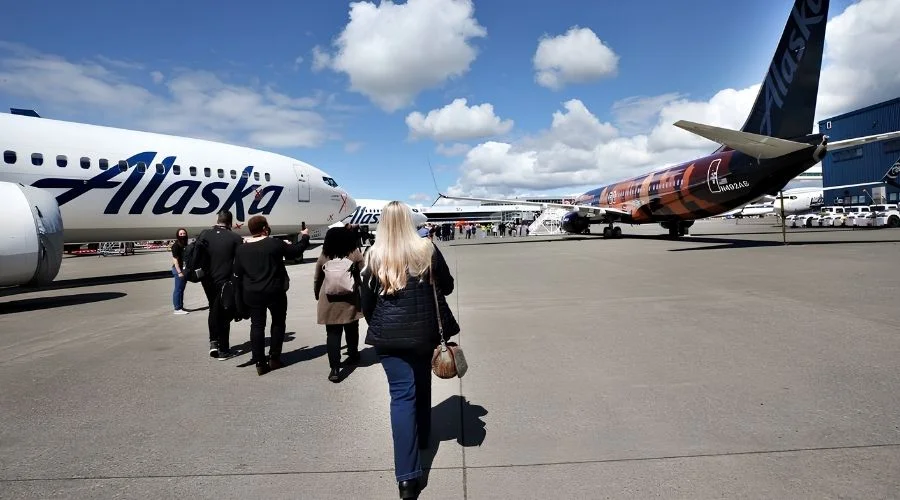
The Alaska Aircraft made a safe landing at runway 16R at Fiumicino (FCO) at around 21:15 CEST. Shortly afterward the Alaska aircraft made the safe landing at FCO on runway 16R, the jet was immediately taken to a remote stand for precaution and the emergency vehicles were positioned alongside the runway as a precaution. Thankfully, no injuries have been reported among the passengers and the crew.
After flying for approximately five and half hours in the air and declaring emergency, the 787 aircraft returned back to Fiumicino. Later, Alaska Airlines arranged alternative flights for passengers.
The Airlines has not released any formal statement about the cause behind the abnormal engine vibrations. So for now, the exact mechanical cause remains unconfirmed.
Alaska’s Expansion Plan for Long-Route Travel

This incident falls under a route that has been newly launched by Alaska. Rome was the airline’s newest Alaska branded 787-9 destination which started its service in April 2026, marking one of the first long-haul international routes operated under the Alaska Airlines brand using Boeing 787 aircraft.
Alaska currently has five 787-9s and seven more are on order, bringing a total of twelve aircrafts. Additionally, Alaska also has five 787-10s on order which would make up the total number of Dreamliners owned by the airline to be seventeen.
The 787-9s are mainly flown out of Seattle and operate flights to international destinations including London, Seoul, and Rome as well as a domestic long-haul flight from Seattle to Honolulu. So this Rome route isn’t just another line on the map, it’s part of Alaska’s bigger bet on becoming a real player in international widebody travel.
For now, passengers on AS181 got an unplanned extra stop in Rome and a very long day of flying without actually going anywhere. It’s a good reminder of just how seriously airlines take even a hint of an engine issue. Whether by reducing weight through holding or fuel jettison, safety always takes priority over schedule.
