

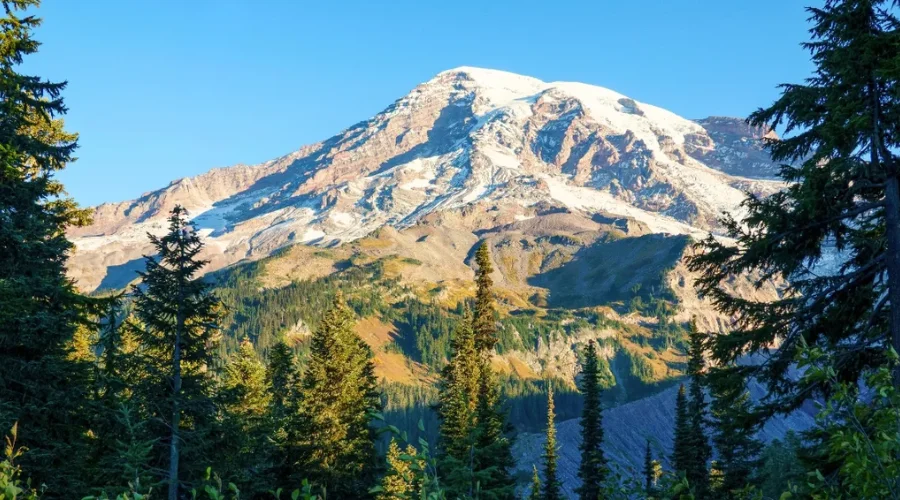
Mount Olympus, the highest mountain in Greece and the legendary home of the Twelve Olympian gods, is seeking inscription on UNESCO’s World Heritage List. The 9,573 foot tall mountain, rising almost directly from the Aegean coastline, has always looked akin to a throne. Whether UNESCO will grant it a World Heritage status from the current UNESCO Biosphere Reserve status is a question every travel enthusiast wants to know.
This July, Greece’s tallest mountain is once again in the international spotlight. During UNESCO’s 48th World Heritage Committee session in Busan, South Korea, Mount Olympus is being considered for inscription as a mixed World Heritage Site.
The committee is in the middle of its 48th session in Busan, South Korea, running from 19 to 29 July, and somewhere on that agenda sits Greece’s nomination for Mount Olympus as a “mixed” World Heritage site – a rare dual tag reserved for places that matter both culturally and naturally. It’s a big ask.
Mixed sites are one of UNESCO’s toughest categories to crack, because you’re not just proving a mountain is beautiful; you’re proving it’s irreplaceable, on two entirely different fronts at once. UNESCO’s advisory is still on the bench to evaluate the status, and it is clear that further justification may still be required.
A Throne Carved Into Rock and Myth
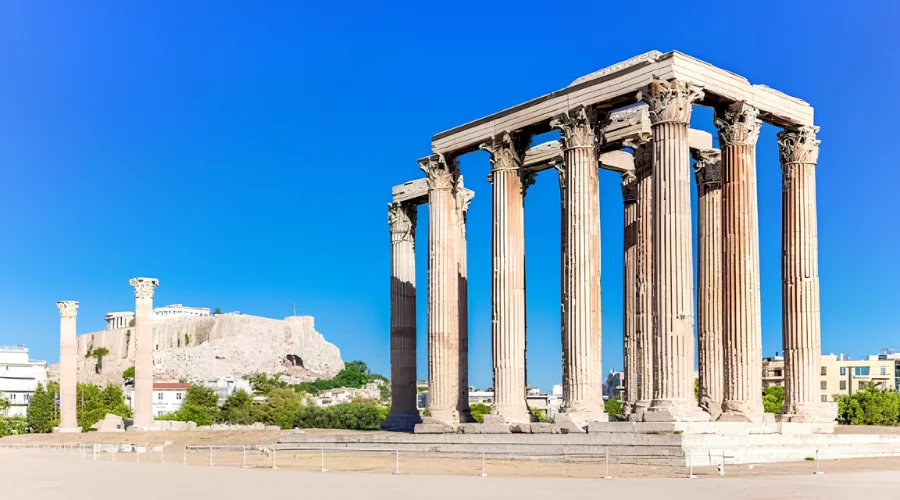
Rising to 2,918 metres from what’s practically sea level, Olympus is the highest peak in Greece. This was where Zeus was believed to have set up court after defeating his father Cronus, ending the age of the Titans, a ten-year war that, in myth, rewired the entire order of the universe.
Somewhere on the mountain’s lower peaks, archaeologists have actually found the physical footprint of that belief: an open-air sanctuary with finds dating back to the Hellenistic period, roughly 323 to 30 BC. Historians link it to a sanctuary the 2nd-century writer Plutarch described – a place where processions once climbed to make sacrifices to Zeus. The archaeological evidence aligns remarkably with the mountain’s long-standing mythology.
What makes the mountain stranger, and honestly more interesting, is that the sanctity never really left. Later, Christianity added another layer to the mountain’s sacred history. At 2,803 metres, near the peak known as Prophet Elias, widely regarded as one of the highest-altitude Orthodox chapels in the world. Down in the Enipeas Gorge are the remains of a monastery founded in 1542, and a short walk from there is the Holy Cave of St. Dionysios – a chapel built directly into the rock, with a small spring inside that locals consider holy water, remained to be a place of worship across different religions.
The Catch: UNESCO isn’t Sold On The Idea Yet
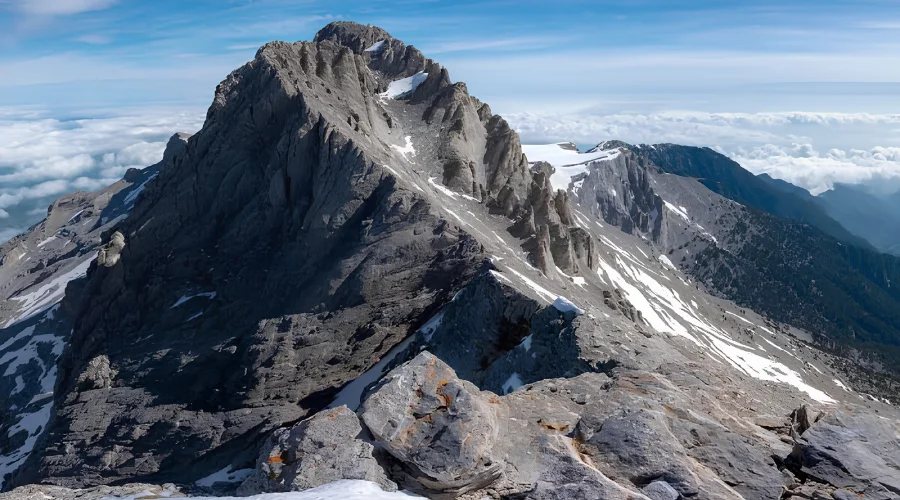
Here’s where the story gets less mythical and a lot more bureaucratic. Greece first put Olympus on its UNESCO Tentative List back in 2014 – the mandatory first step before any formal nomination, and the file has been slowly working its way through evaluation ever since, reviewed by UNESCO’s advisory bodies, ICOMOS and the IUCN.
They’ve asked Greece to strengthen the case for the mountain’s geological and ecological significance, and interestingly, they’ve floated adding the ancient archaeological site of Dion, at Olympus’s foot, to strengthen the cultural case. Drafts of the Busan meeting’s agenda suggest the likely outcome this round is that the committee sends the whole nomination back to Greece for more homework, rather than approving it outright.
For a mountain that’s meant to be home to gods, it’s a fairly mortal setback.
What Locals Actually Want Out of This
As much as the UNESCO tag is about the prestige of a land of lores, it’s also about bureaucratic leverage. Mayor of Dion-Olympus, Evangelos Geroliolios, has called the mountain “our life,” the place the town grew up around, and says recognition would bring obligations, not just bragging rights; specifically, the obligation to actually protect it.
Babis Marinidis, who heads the Litochoro Alpine Club, is blunter about the math: more prestige means more visitors, and the mountain is already struggling to absorb the ones it has. Camping and swimming bans inside the national park are routinely ignored, he says, and he’s now warming to the idea he once resisted – entrance fees and visitor caps, just to keep the ecosystem from being loved to death.
Plus, Olympus is genuinely dangerous. Reportedly, the mountain has seen numerous fatal accidents over the years because of rapidly changing weather and the inexperienced climbers who underestimate the peaks; a 64-year-old Greek hiker died on a trail there on 11 July, and back in May, a 25-year-old Spanish climber went missing attempting the summit in snow and was found days later. You don’t need technical climbing skill to reach the top, which is exactly the trap: it looks approachable right up until it isn’t.
So here’s Olympus, caught between two identities – sacred enough that gods and saints both wanted an address there, and dangerous enough that people still die trying to reach it every year. Whether UNESCO says yes this round or sends Greece back to do more research, one thing seems settled already: this mountain was never going to be an easy claim to make, mythologically or otherwise. Which, if you think about it, is a very Olympus thing to be.
