

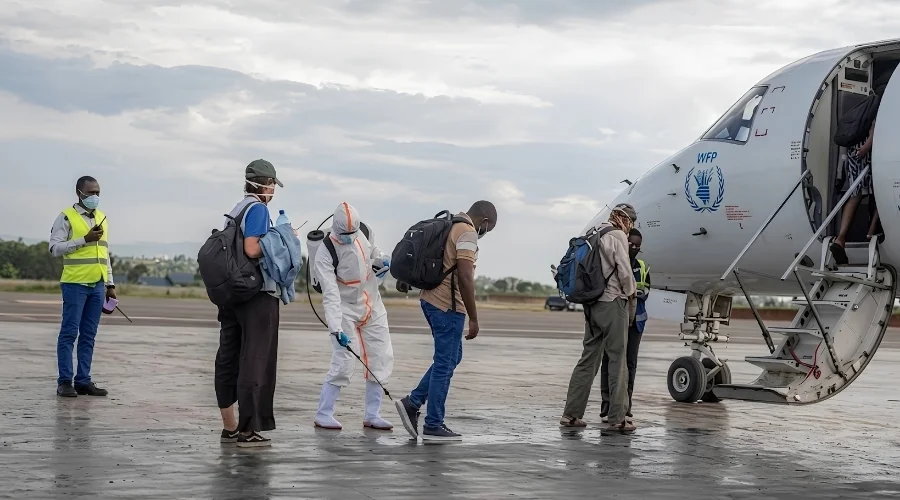
In the recent turn of events, the rising cases of Ebola virus in African countries raised some serious questions. The State Department of America bars the citizens returning back home from Democratic Republic of Congo and restricts travel to the same. Following the incident, the state department expanded the ‘Do Not Travel’ list by adding the Ebola-infected Democratic Republic of Congo implementing Level 4, restricting Americans who visited DRC are not allowed to on-board flights taking off for America.
America’s Advisory to Put Democratic Republic of Congo on ‘Do Not Travel’ List
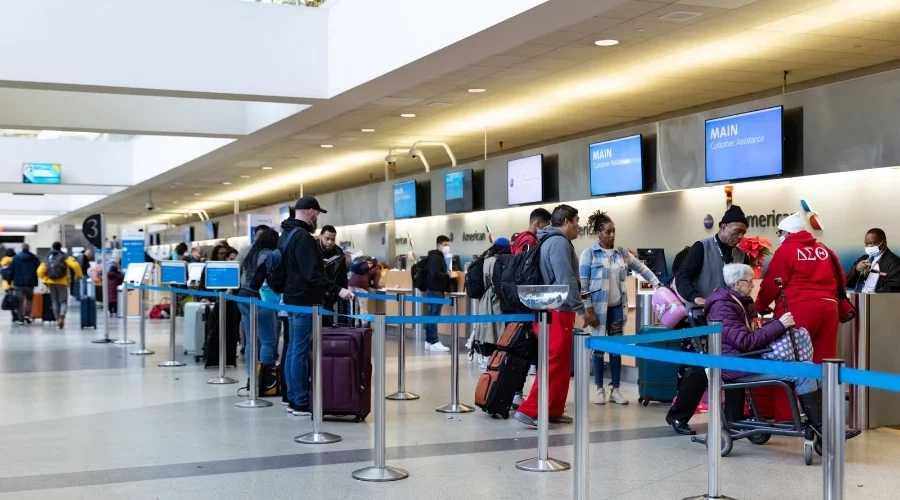
The US State Department has strictly advised the travellers who are heading back to the US after being in DRC. In a recent update, the increase in the number of Ebola-infected cases in the last two weeks concerns the American government which led the state to impose strict travel advisory. The action resulted in Democratic Republic of Congo becoming the 10th African country to be included in the ‘Do Not Travel’ list as per Level 4 advisory (banning travel from listed countries in America). Many other African nations are currently under the outbreak of Ebola, affecting people’s health and life.
The advisory clearly says that nationals who have been to Ebola-stricken countries will not be permitted to enter the American soil. Earlier, only non-American natives who recently visited Uganda, South Sudan or DRC were barred from entering the US since mid-May. Now, the advisory is applicable on all those traveling to African countries amid ongoing health crises.
The concern led the state department to use Title 49 under transportation law, which allows the government to place Americans on the ‘Do Not Board’ list for commercial flights headed to the US. Simply means, if you’ve been to DRC recently, airlines won’t let you board a flight to America unless you spend at least 21 days outside the country first.
Americans Need To Spend 21-Days Outside The Country
Ebola symptoms take up to 2 to 21 days to show up post exposure, hence American nationals are advised to spend 21 days outside the country to prevent any case of infection.
The sole purpose of imposing stringent safety regulations is to curb further outbreak amongst American citizens. The virus is spreading fast in the region, which has led to many deaths in the region. Even the official Congolese data revealed the increase in number of people affected by the disease, causing death to nearly 800 people in Democratic Republic of Congo and more than 2100 active cases.
Travel Advisory for American Natives Returning From Virus-Infected Areas
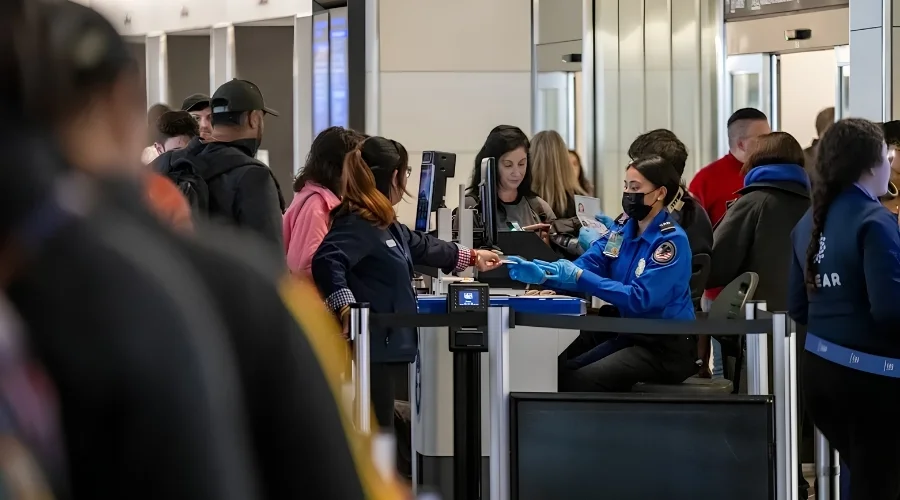
The imposed restrictions have highly affected the life and routine of the people. Americans who are currently in DRC, visited recently or planning to travel there are advised to take precautionary measures and below advisory seriously.
- Do Not Travel to the DRC Right Now. The state department has unambiguously guided the Americans to avoid travel in Ebola-infected areas.
- If you are already there, the 21-day window outside the state is necessary before boarding the flight to America
- Monitor your health regularly for 21 days at least after leaving the infected zones. Even if you are feeling fine, check with local authorities before travelling.
- Enroll in the Smart Traveler Enrollment Program (STEP), for US citizens living abroad to receive real-time updates from the US Embassy.
- If you’ve planned to get on the flight to virus outbreak countries, quickly check CDC’s Ebola situation page for the regular updates of the situation.
Regularly monitor your health so that any early symptoms can be treated well and check the regular government pages for the latest updates before finalising anything related to the trip.
List of Countries with Level 4 Advisory Imposed by America
African countries facing Ebola-related Level-4 restriction on travel:
- Democratic Republic of Congo
- South Sudan
- Uganda
The US Government also uses the same 4-level travel advisory for 7 other African nations based on multiple risk factors to protect American soils.
- Libya
- Mali
- Niger
- Somalia
- Burkina Faso
- Central African Republic
- Chad
Ebola Virus and Its Symptoms- How Does It Affect You
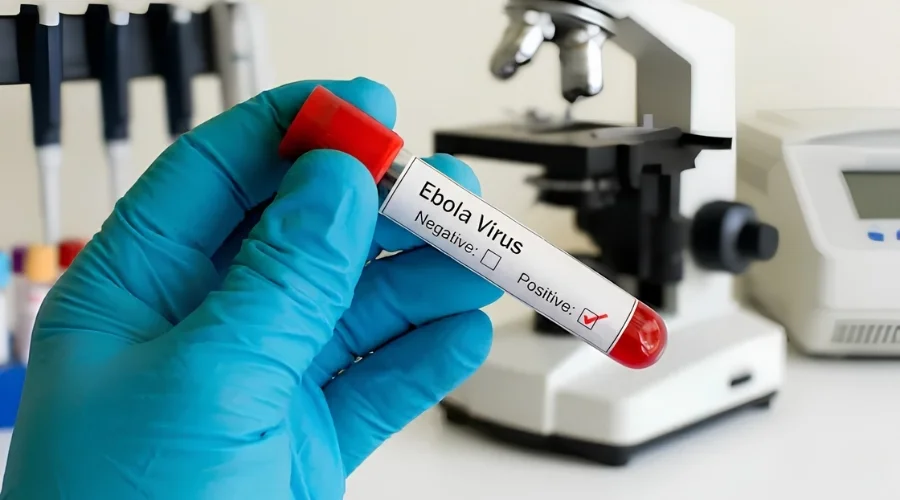
The epidemic was caused by the rarer Bundibugyo strain of Ebola. The outbreak was first declared in May 2026 in Democratic Republic of Congo, and reported to have spread over 5 provinces in DRC – Ituri, North Kivu, South Kivu, Haut-Uele, and Tshopo. The disease still does not have any cure, treatment or vaccine.
The infection might take 2 to 21 days to show up after exposure. Symptoms are identified to be developing in two distinctive phases – sudden dry flu and advanced severe wet flu. If you’re getting signs of dry infection – sudden high fever, severe headache and body aches, extreme fatigue and weakness, and sore throat and loss of appetite, you must go see a doctor immediately.
Should the symptoms persist for 4-5 days, the infection will escalate to gastrointestinal distress and life threatening complications like watery diarrhea, vomiting, abdominal pain, skin rashes (mainly on chest and back), unexplained bleeding and bruising, impaired kidney and multi-organ failure.
